
Back to Blogs

Crafting a Memorable Identity

Posted on: October 7, 2024 30 min Read

Crafting a Memorable Identity

In today’s crowded digital marketplace, standing out from the competition is more challenging than ever. Businesses are not only competing on the quality of their products or services but also on how effectively they can communicate their value to potential customers. This is where Branding & Graphic Design plays a pivotal role. Your brand is more than just a logo or a color scheme; it’s the story you tell, the promise you make, and the experience you deliver to your customers. And graphic design is the visual language that helps convey that story in a compelling, consistent, and recognizable way.

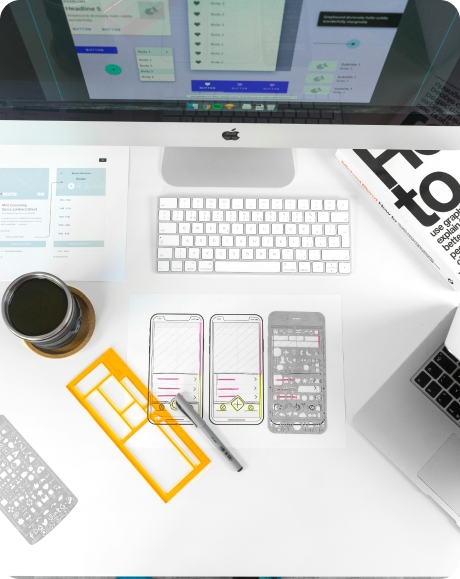
UI/UX Design: The Foundation of Effective Digital Branding

At the heart of successful digital branding lies UI/UX design—the process of designing interfaces that provide an optimal user experience. User interface design (UI) focuses on the aesthetics of your digital platforms, ensuring that every visual element aligns with your brand identity. User experience (UX) design, on the other hand, is about the functionality and ease of use, ensuring that every interaction a user has with your brand is intuitive and enjoyable.


When done right, UI/UX design can significantly impact how users perceive your brand. For example, a well-designed website or app that is easy to navigate and visually appealing will not only attract visitors but also encourage them to engage with your content, explore your products, and eventually convert into loyal customers. Interaction design is a key component here, focusing on creating engaging elements like animations, hover effects, and transitions that make the user experience more dynamic and enjoyable.


One of the most critical aspects of UI/UX design is responsive design—ensuring that your website or application looks and functions perfectly on all devices, from desktops to smartphones. As mobile usage continues to rise, having a responsive design is no longer optional but a necessity. Additionally, accessibility should be a core consideration in your design process, ensuring that your digital platforms are usable by everyone, including those with disabilities.

Web Application Design: A Seamless User Journey

As businesses increasingly move their operations online, web application design has become a crucial aspect of Branding & Graphic Design. A web application is often the primary way customers interact with your brand, making it essential to provide a seamless and intuitive experience. User journey mapping helps in visualizing the paths users take through your application, allowing you to optimize each step for better engagement and conversion.


Effective web application design requires a deep understanding of information architecture—the organization and structuring of content in a way that makes it easily accessible and navigable for users. A well-structured application not only enhances the user experience but also reinforces your brand’s professionalism and attention to detail.

Mobile App Design: Branding on the Go

In today’s mobile-first world, having a strong presence on mobile platforms is crucial. Mobile app design is a specialized area of Branding & Graphic Design that focuses on creating intuitive, engaging, and visually appealing apps that reflect your brand’s identity. A key aspect of this is mobile UI, which involves designing the interface specifically for smaller screens while ensuring a consistent brand experience across all devices.


With the increasing demand for apps that work seamlessly across multiple platforms, cross-platform design has become more important than ever. This approach allows businesses to reach a broader audience by ensuring that their app provides a consistent user experience on both iOS and Android devices. Responsive app design plays a crucial role here, ensuring that your app adapts to different screen sizes and resolutions without compromising on usability or aesthetics.


Another critical component of mobile app design is gesture design—the creation of intuitive touch gestures like swipes, taps, and pinches that make the app more interactive and user-friendly. Combined with well-thought-out mobile interactions and user flow, this ensures that users can navigate your app with ease and enjoy a seamless experience that reinforces your brand’s image.

Logo Design: The Face of Your Brand

A logo is often the first thing people associate with a brand. It is the symbol that represents your business in the minds of consumers. Logo design is, therefore, a fundamental part of Branding & Graphic Design. Whether you’re launching a new brand or looking to refresh an existing one, your logo must be distinctive, memorable, and reflective of your brand’s values and personality.


The process typically begins with concept development, where designers explore different ideas and visual styles that could represent your brand. This phase is crucial as it lays the foundation for the custom logo design that will be developed. A well-designed logo should be versatile, meaning it can be easily adapted for various applications, such as social media, websites, packaging, and print materials.


For businesses looking to modernize their image, logo redesign offers an opportunity to update and refine their brand symbol while maintaining a connection to their existing identity. Additionally, creating logo variations (e.g., vertical, horizontal, monochrome) ensures that your logo remains effective across different mediums and contexts.

Brand & Visual Design: Crafting a Cohesive Identity

Beyond the logo, Brand & Visual Design encompasses all the visual elements that make up your brand’s identity. This includes everything from color schemes and typography to imagery and layout. A cohesive visual identity is essential for creating a consistent brand experience across all touchpoints, whether it’s a website, mobile app, social media, or print materials.


Brand identity goes beyond aesthetics—it’s about conveying your brand’s values, mission, and personality through design. Developing a strong visual identity requires careful consideration of how each design element works together to create a unified brand image. For example, the choice of colors and fonts should not only be visually appealing but also align with the brand’s messaging and target audience.


To ensure consistency, it’s essential to develop comprehensive brand guidelines that outline how your brand’s visual elements should be used across different platforms and media. These guidelines serve as a reference for designers, marketers, and anyone else involved in creating brand materials, ensuring that your brand’s identity remains consistent and recognizable.

Marketing Collateral: Extending Your Brand’s Reach

Finally, Marketing Collateral plays a vital role in extending your brand’s reach and communicating your message to a broader audience. This includes a wide range of materials, such as brochures, flyers, business cards, posters, banners, and more. Each piece of collateral should be designed with your brand’s visual identity in mind, ensuring a consistent and professional appearance across all platforms.


In today’s digital age, email templates and social media branding have also become essential components of Marketing Collateral. Well-designed email templates not only look professional but also reinforce your brand’s identity with every communication. Similarly, visually cohesive social media assets help create a consistent brand presence across platforms, increasing recognition and engagement.


Packaging design is another critical aspect of Marketing Collateral, especially for product-based businesses. Effective packaging design not only protects the product but also serves as a powerful marketing tool that can attract customers and influence their purchasing decisions.

Conclusion

In conclusion, Branding & Graphic Design is more than just creating pretty visuals—it’s about crafting a cohesive and memorable brand identity that resonates with your audience. From UI/UX design and mobile app design to logo design and marketing collateral, each element plays a crucial role in shaping how your brand is perceived. By investing in professional Branding & Graphic Design, you can create a strong, recognizable brand that stands out in the crowded marketplace and leaves a lasting impression on your customers.


The Benefits of Continuous Integration/Continuous Deployment (CI/CD)

In today’s fast-paced digital world, the ability to deliver software updates quickly and efficiently is crucial. This is where Continuous Integration/Continuous Deployment (CI/CD) comes into play. By automating the process of integrating code changes and deploying them to production, CI/CD allows businesses to release software updates faster and with fewer errors.


One of the key benefits of CI/CD pipelines is the ability to catch bugs early in the development process. By continuously integrating code changes and running automated tests, developers can identify and fix issues before they make it to production. This not only improves the quality of the software but also reduces the time and cost associated with fixing bugs later in the development cycle.


Automated deployment is another critical component of CI/CD. By automating the deployment process, businesses can reduce the risk of human error and ensure that updates are deployed consistently across all environments. This is particularly important for businesses that operate in highly regulated industries, where even small errors can have significant consequences.


Furthermore, continuous delivery enables businesses to respond to market changes more quickly. By automating the process of deploying code changes to production, businesses can release new features and updates faster, giving them a competitive edge.


In conclusion, CI/CD is a powerful tool for businesses looking to improve their software development process. By investing in CI/CD pipelines and automated deployment, companies can increase the speed and quality of their software releases, ultimately driving business growth.

Digital Marketing Trends to Watch in 2024

The digital marketing landscape is constantly evolving, and staying ahead of the trends is crucial for businesses looking to succeed in 2024. From online marketing to social media strategy, the latest trends are reshaping how brands connect with their audiences and drive growth.


One of the most significant trends in digital marketing is the rise of personalized content. Consumers today expect content that is tailored to their interests and needs. In fact, 80% of consumers are more likely to make a purchase when brands offer personalized experiences. This trend is driving the growth of content marketing and email automation as businesses look to deliver more relevant and engaging content to their audiences.


Another key trend is the increasing importance of SEO & SEM. As search engines become more sophisticated, businesses must focus on keyword research and on-page SEO to ensure their content ranks highly. Additionally, paid search strategies are becoming more targeted, allowing businesses to reach specific audiences with precision.


Social media continues to be a powerful tool for businesses, with platforms like Instagram and TikTok leading the way. In 2024, we can expect to see more brands investing in social media advertising and influencer marketing to reach younger audiences. In fact, social media advertising spending is projected to reach $134 billion in 2024.


In conclusion, staying on top of digital marketing trends is essential for success in 2024. By focusing on online marketing, content creation, and social media strategy, businesses can build stronger connections with their audiences and drive growth.

Navigating Business Challenges in 2024

In today’s rapidly changing business environment, strategic consulting has become more crucial than ever. Companies are increasingly turning to experts for business strategy development, market analysis, and growth planning to navigate the challenges of 2024. With the right strategy, businesses can not only survive but thrive in the face of uncertainty.


One of the key areas where strategic consulting is making a significant impact is in business optimization. By analyzing current operations and identifying inefficiencies, consultants can help businesses streamline their processes, reduce costs, and increase profitability. In fact, companies that invest in strategic advisory services see an average of 20% improvement in operational efficiency.


Market analysis is another critical component of strategic consulting. Understanding market trends, customer behavior, and competitive dynamics allows businesses to make informed decisions about where to invest resources. For example, a thorough market analysis can reveal emerging opportunities in new markets, helping businesses expand their reach and increase revenue.


Furthermore, growth planning is essential for businesses looking to scale. Whether it’s developing new products, entering new markets, or expanding operations, a well-crafted strategic roadmap can guide businesses through the complexities of growth.


In conclusion, strategic consulting is a vital tool for businesses navigating the challenges of 2024. By investing in business strategy, market analysis, and growth planning, companies can position themselves for long-term success and sustainability.

How AR & VR Development is Transforming Industries

AR & VR development is rapidly transforming industries across the globe. From healthcare to retail, the adoption of augmented reality apps and virtual reality solutions is revolutionizing how businesses interact with their customers and operate internally. As we move into 2024, the potential for mixed reality applications is only set to grow.


One of the most impactful uses of AR for marketing is in retail. Brands are using augmented reality to create immersive shopping experiences, allowing customers to visualize products in their own space before making a purchase. For example, the AR market is expected to grow to $198 billion by 2025, driven by the increasing demand for AR for marketing and 3D modeling in e-commerce.


In the healthcare sector, VR training simulations are becoming an essential tool for medical education. These simulations provide a risk-free environment where medical professionals can practice procedures and improve their skills. This is not only enhancing the quality of healthcare but also reducing training costs.


Another industry seeing significant transformation is real estate. Virtual reality solutions are allowing potential buyers to take virtual tours of properties from anywhere in the world. This technology is particularly beneficial in the current global climate, where travel restrictions can limit physical property visits.


In conclusion, AR & VR development is revolutionizing how businesses operate and engage with customers. As more industries recognize the value of augmented reality apps and virtual reality solutions, the adoption of mixed reality technologies will continue to accelerate in 2024.

The Growing Importance of Mobile App Development in 2024

As mobile usage continues to rise globally, the demand for mobile app development has never been higher. In 2024, businesses are increasingly recognizing the need for custom mobile apps that cater to their specific audience’s needs. Whether it’s for iOS app development, Android app development, or cross-platform solutions, a well-designed mobile app can significantly boost a company’s reach and engagement.


One of the key benefits of investing in native app development is the enhanced performance and user experience it offers. Native apps, designed specifically for a particular platform, leverage the full potential of the device’s features, providing a smoother, faster user experience. Studies have shown that users spend 87% of their time on mobile devices within apps, making mobile application design a critical aspect of any digital strategy.


Another growing trend in 2024 is the demand for custom mobile apps that offer unique functionalities tailored to specific business needs. These apps not only improve customer satisfaction but also increase brand loyalty by providing users with a personalized experience. For example, a custom retail app can offer features like personalized product recommendations and easy checkout processes, which can lead to a 25% increase in conversion rates.


Furthermore, the rise of mobile software solutions is enabling businesses to operate more efficiently. From streamlining operations to enhancing customer service, mobile apps are becoming essential tools for businesses across all industries.


In conclusion, the importance of mobile app development cannot be overstated in 2024. By investing in custom mobile apps and leveraging the latest mobile application design trends, businesses can enhance their customer experience, increase engagement, and drive growth.

The Future of Custom Web Development in 2024

In the ever-evolving digital landscape, custom web development has become a cornerstone for businesses aiming to create unique, user-friendly websites that stand out from the competition. As we look towards 2024, several trends are shaping the future of web development, making it crucial for businesses to stay ahead by investing in bespoke web solutions.


One of the most significant trends is the rise of tailor-made web applications. These applications are designed specifically to meet the unique needs of a business, providing a more personalized experience for users. In fact, businesses that implement custom coding and personalized web development are seeing a 30% increase in user engagement, according to recent studies.


Unique website design is another area where companies are gaining a competitive edge. In 2024, we can expect to see more businesses focusing on designs that not only reflect their brand identity but also provide an intuitive user experience. This trend is driven by the growing importance of custom websites in attracting and retaining customers. A well-designed website can lead to a 48% increase in online sales, making it a critical component of any digital strategy.


Moreover, bespoke web solutions offer flexibility that off-the-shelf products simply cannot match. These solutions allow businesses to scale their websites as they grow, ensuring that the website remains functional and relevant. As technology continues to advance, integrating new features and capabilities into your website will be essential for staying competitive.


In conclusion, the future of custom web development lies in creating highly tailored, user-centric websites that enhance the user experience and drive business growth. By investing in custom coding and unique website design, businesses can position themselves for success in the increasingly competitive digital marketplace.